
 My Account
 The term hangover depression refers to feelings of low mood, apathy, and sadness following alcohol consumption. This phenomenon isn’t fully understood, but a few contributing factors can offer us a better understanding. First, we’ll look at how alcohol affects your brain chemistry, then we’ll explore the toll it takes on your sleep, and finally, we’ll look at underlying depression. As alcohol’s stimulating effects start to wane, the substance binds to GABA receptors in the brain, mimicking the activity of the GABA neurotransmitter. But drinking too much over stimulates GABA, causing drowsiness, blackouts, memory loss, unconsciousness, and in some cases, coma. At the same time, alcohol suppresses the release of glutamate, which makes individuals feel lethargic and fatigued.
Impacts Mood Regulation
Six months after leaving detox, only 30.2 percent of participants met the criteria for depression. Alcohol’s depressant effects are heightened if the individual is predisposed to experiencing depression or while dealing with acute traumas. This is often the case with co-occurring mental health and substance abuse issues. Those who drink alcohol because they’re unhappy will still feel that way once the effects of alcohol wear off.
Gastrointestinal issues

There are several FDA-approved drugs for the treatment of depression. Selective serotonin reuptake inhibitors (SSRIs) are among the most popular, and often help to lift a person’s mood. And if you already struggle with depression, alcohol can aggravate that underlying condition. Recovery Ranger is a website that offers direction and support for those seeking to overcome addiction and achieve lasting sobriety. Our team of specialists helps individuals navigate the recovery process and stay motivated.
- Additionally, a person might receive other medications aimed to assist with abstinence from alcohol.
- Recovery Ranger is a website that offers direction and support for those seeking to overcome addiction and achieve lasting sobriety.
- If you’re being treated for both depression and alcohol abuse at the same time, however, you should be careful about combining antidepressants and alcohol.
If you already have depression, you might feel even worse, since alcohol can magnify the intensity of your emotions. Understanding the link between alcohol and depression can help you better manage depression after drinking, or better yet, prevent it from happening in the first place. Carmen Chai is a Canadian journalist and award-winning health reporter. Her interests include emerging medical research, exercise, nutrition, mental health, and maternal and pediatric health. She has covered global healthcare issues, including outbreaks of the Ebola and Zika viruses, anti-vaccination movements, and chronic diseases like obesity and Alzheimer’s. Chai was a national health reporter at Global News in Toronto for 5 years, where she won multiple awards, including the Canadian Medical Association award for health reporting.
tips to cut back on drinking
Whether you’re a mom worried about your child’s drinking, a spouse supporting a partner, or someone struggling with addiction yourself, we’re here to help. Exercise can boost your mood as the effects of alcohol begin to wear off. Being outside in nature can provide similar mood-enhancing benefits. If depression occurs after a night of drinking, there are several things that you can do to try and feel better. BetterHelp offers affordable mental health care via phone, video, or live-chat. This could potentially overwhelm an unsuspecting or unprepared individual.
How Long Does Depression Last After Drinking?
Eventually, your mental health, friendships, job and family relationships may all suffer with heavy alcohol use. Indeed, heavy drinking can become a vicious cycle as you drink more to try to drown any negative feelings and chase another boost of dopamine — only to experience the lowest of lows again and again. Our compassionate team proudly provides advanced therapy options to treat both substance abuse and mental health issues. We also offer medication-assisted treatment (MAT) to relieve withdrawal symptoms, decrease the risk of overdose, and provide overall support to the addiction recovery process.
- Given all of this, Boden recommends that anyone dealing with depression just stay away from alcohol.
- These feelings of depression often ease as you recover, but frequent hangovers can keep you stuck in a low mood.
- Recent research indicates that physical exercise can be just as effective if not potentially more effective in treating depression than antidepressants in some cases.
Alcohol and depression are connected in several ways, and the two often feed off of one another. People may turn to alcohol as a way to cope with mood problems, but drinking alcohol can also contribute to symptoms of depression. Alcohol use can also affect how antidepressants work, which can affect depression treatment. Substance-induced depression is different from major depressive disorder and, by definition, should improve once a person stops consuming substances (such as alcohol).
- At first, alcohol produces euphoria and excitement, but such feelings are short-lived.
- According to the National Institute on Alcohol Abuse and Alcoholism (NIAAA), over 14 million adults in the U.S. (5.8 percent of this population) suffer from alcohol use disorder (AUD).
- You can, however, take steps to lower your chances of emotional side effects when drinking.
- According to the National Institute on Alcohol Abuse and Alcoholism (NIAAA), depression is a common side effect of alcoholism.
- CBT is a great option for overcoming depressive thoughts and developing new strategies for coping with depression outside of alcohol use.
If you think you have a problem with either, talk to your doctor or therapist. There are lots of choices when it comes to medication that treats depression, and there are drugs that lower alcohol cravings and counter the desire to alcohol rehab drink heavily. You can also get help from Alcoholics Anonymous or an alcohol treatment center in your area.
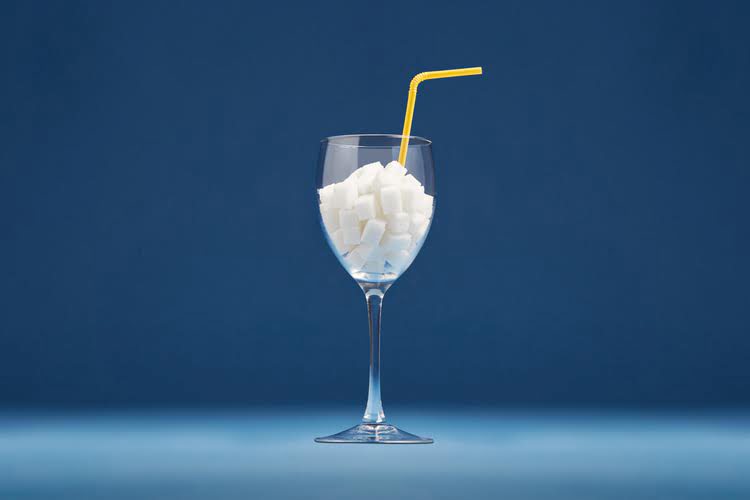
For a loved one trying to understand — or for someone experiencing it firsthand — it can be difficult to see where one struggle ends and the other begins. This is why learning about the connection between alcohol and depression is essential. In the shorter term, without intervention to change drinking habits, researchers expect 100 additional deaths and 2,800 additional cases of liver failure between 2020 and 2023.
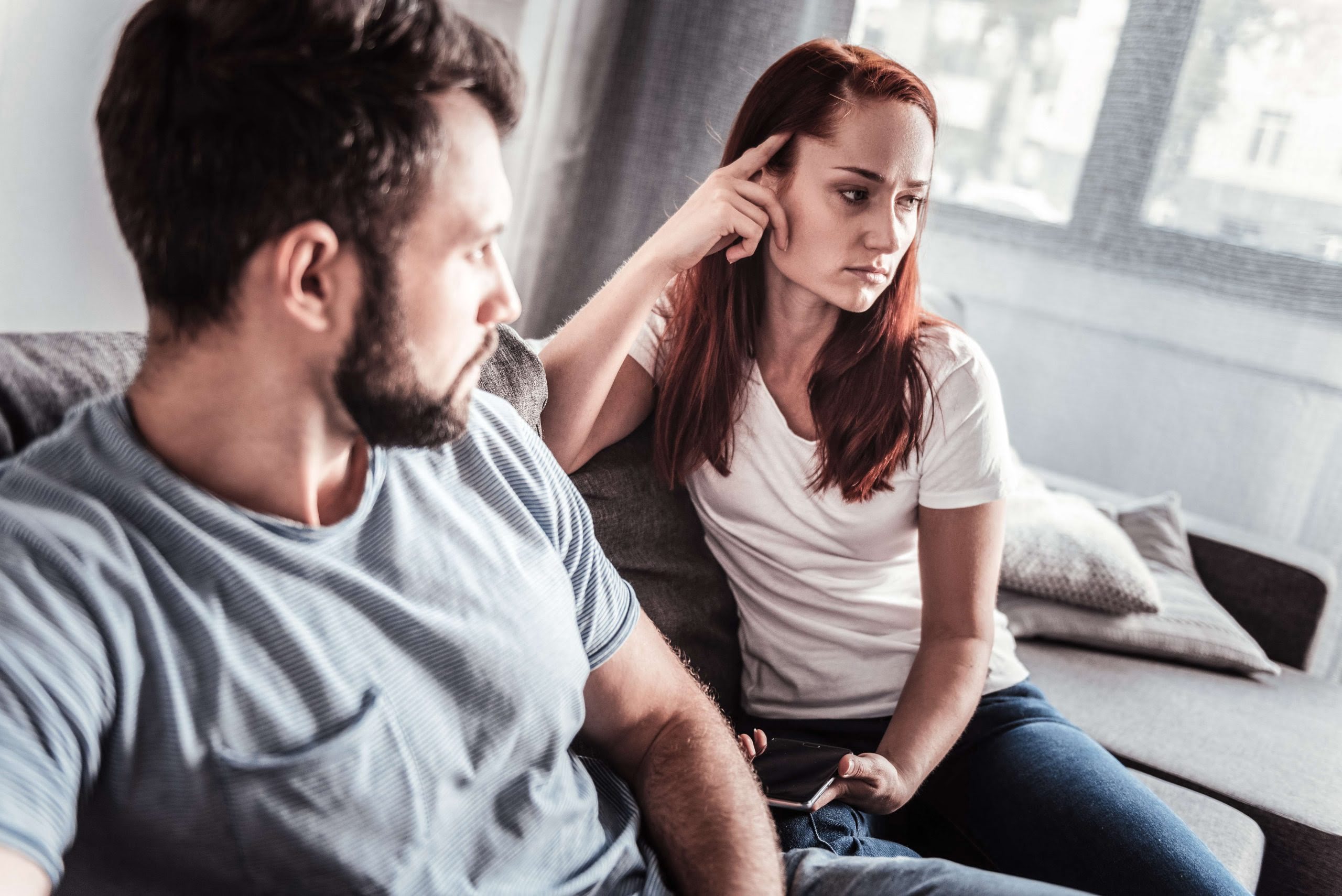
Although alcohol might initially seem to boost mood, it ultimately acts as a depressant. It can lower serotonin levels—the brain chemical linked to happiness and well-being—and worsen feelings of sadness, hopelessness, and fatigue. It focuses on building safe coping strategies and emotional stability to manage stressful situations by reducing the impulse to control intense negative thoughts and emotions.
The test is free and confidential, and no personal information is needed to receive the result. Women are more than twice as likely to does alcohol make depression worse start drinking heavily if they have a history of depression. Experts say that women are more likely than men to overdo it when they’re down. Alcohol can make you more likely to be depressed, and being depressed can make you more likely to drink alcohol.